Wait, what? Have we lost our minds? What does Netflix have to do with DigiTech? Don’t worry; I’m here to explain how one of the most famous sounds was created.
Originally, Netflix was a service that sent DVDs in the mail. I remember setting up a list of movies I wanted to see, and when I returned 1 movie, they would send me another one from my list. In January 2007, Netflix launched its streaming service, originally called “Watch Now,” which offered a limited selection of movies and TV series that could only be watched on computers. I’m sure this caused many people in the workforce to take time out of their workdays to catch up on their favorite shows. However, just six months later, they greatly expanded the selection and availability, and the Netflix we know, and love today was born.
So, what does DigiTech have to do with all of this? We all recognize the iconic “TuDum” sound that plays at the start of Netflix shows. Netflix tasked Hollywood sound designer Lon Bender with creating a sound that would evoke both tension and release. After experimenting with various sounds—one idea even involved a goat sound (thankfully, that one didn’t make the cut), and another was a “bubbly underwater” sound—they ultimately settled on the “TuDum” sound we hear all the time.
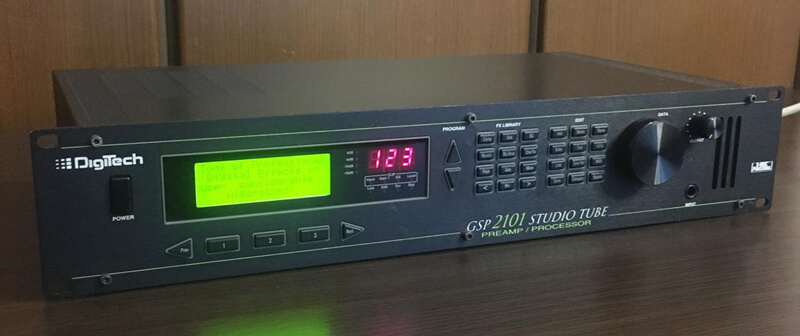
The main component of the sound comes from Lon Bender knocking his wedding ring against a cabinet. However, they still needed a musical element to enhance the effect. Another sound designer, Charlie Campagna, had created some original music back in the 90s using his electric guitar plugged into a DigiTech GSP2101. The GSP 2101 is known for its advanced digital signal processing and tube-driven tone shaping, making it a versatile tool for musicians. With unique effects, like a triggered flanger and reverse reverbs, along with programmable effects and amp modeling, have made it popular among professionals. Notable artists who used the DigiTech GSP 2101 are Alec Lifeson, Billy Gibbons, The Edge, Steve Vai, Pat Metheny, and Paul McCartney.
In this 30-second piece, they incorporated reversed guitar sounds, and one of these reversed sounds was included in the final Netflix logo. You can hear it just as the sound effect flourishes at the end. Therefore, always record every idea you have, no matter how trivial it might seem, and make sure to archive your recordings! You never know; it could become the theme music for a world-famous streaming platform.
If you want to read the full story of the Netflix sound, be sure to check it out here at musicradar.com